Funny SVG Design, the Answer is Nope: Graphics for T-Shirt Designs
I recently received a request from a client who runs a boutique handmade brand specializing in humorous home goods. They needed a visual asset that could instantly convey a playful mood without feeling cheap or unprofessional. The brief was specific: they wanted something versatile enough for packaging, social media graphics, and merchandise like tote bags and mugs. After reviewing several options, I decided to test drive a specific SVG design titled Funny SVG Design, the Answer is Nope. As a designer who works with branding, marketing visuals, and digital design assets daily, my job is not just to find a clipart image but to evaluate if it can elevate a commercial design project.
First Impressions and Visual Mood
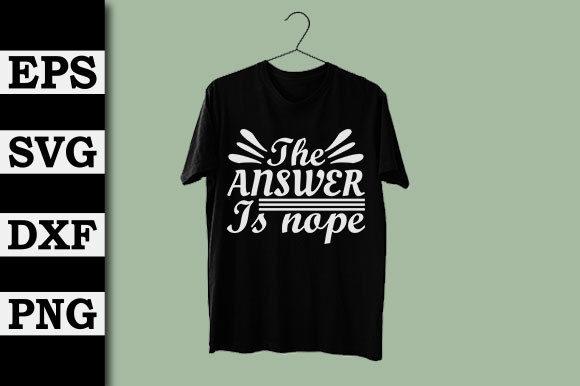
When you first open the folder containing this Funny SVG Design, the Answer is Nope, the immediate takeaway is its versatility. It does not feel like a generic internet meme; instead, it carries the weight of a modern design element suitable for T-Shirt Designs and various other applications. The typography feels punchy yet approachable, creating a visual hierarchy that guides the eye immediately to the message. This is crucial when designing for small businesses where every pixel counts toward building brand identity.
The style sits comfortably between a handwritten font and a bold display font. It suggests personality and wit, making it an ideal fit for creative design projects that aim to connect emotionally with an audience. Whether you are creating a sticker design for a craft fair or a Canva template for a blog post, this asset brings a sense of fun that helps break the monotony of corporate communication. It signals that the brand owner has a sense of humor, which is often a key factor in engaging younger demographics on platforms like Instagram or Pinterest.
Real-World Application in Client Projects
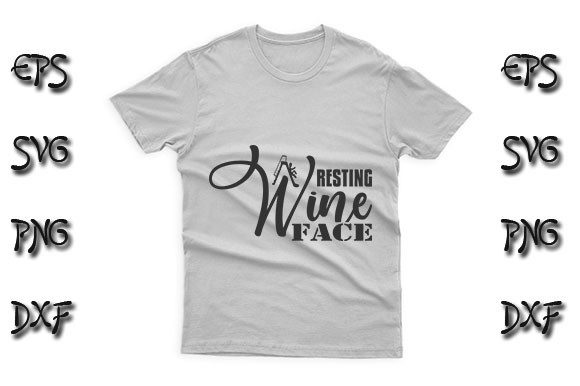
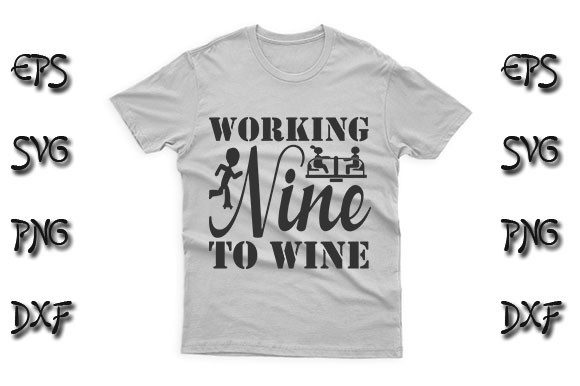
In my recent work, I integrated this asset into a mockup for a local event campaign. The goal was to create promotional materials that felt cohesive across different mediums. Because the package includes EPS files, SVG files, PNG files, and DXF files, the workflow was seamless. I used the vector format for large layout areas, such as hero graphics on a landing page, ensuring crisp edges at any scale. For the physical merchandise, the DXF file allowed me to cut precise shapes for die-cut stickers and sublimation designs on apparel.
This Funny SVG Design, the Answer is Nope excels as a decorative accent or a primary focal point. Imagine using it on a product label for a line of artisanal soaps or as a central graphic on a flyer for a seasonal sale. Its adaptability makes it a powerful tool for print-on-demand sellers who need to quickly generate unique design bundles without compromising quality. It also serves well in editorial design, adding a touch of levity to magazine layouts or digital ads that might otherwise feel too serious.
Where It Shines in Creative Design
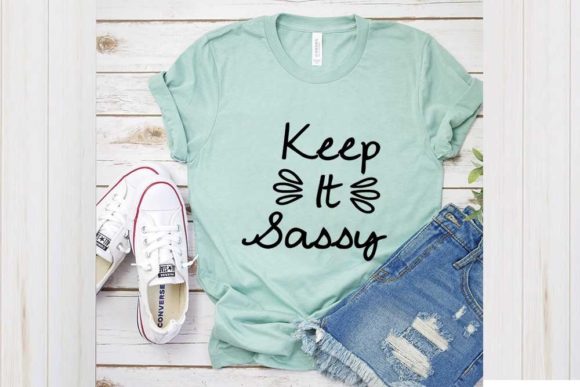
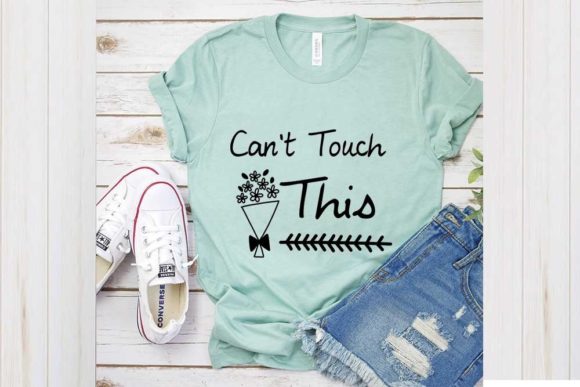
- Product Mockups: Placing the text on t-shirts, mugs, and tote bags creates an instant visual connection with the buyer.
- Social Media Graphics: The bold nature of the design ensures it stands out in crowded feeds, perfect for Instagram posts or Pinterest pins.
- Themed Collections: It fits naturally into campaigns focused on humor, self-care, or casual lifestyle brands.
- Cricut Projects: Crafters will appreciate the clean lines and ease of cutting, making it a staple for DIY enthusiasts.
Navigating Limitations and Best Practices
While this asset is robust, professional judgment dictates knowing where not to use it. In projects requiring very clean visual hierarchy or minimalist branding, such as high-end corporate materials or luxury packaging, this playful tone might clash with the desired level of sophistication. Similarly, placing it on complex backgrounds or low-contrast designs can obscure the message, reducing readability and visual trust.
If you are working on a logo design for a law firm or a financial institution, this graphic design asset is likely inappropriate. However, for a handmade business, an Etsy shop, or a creative marketplace store, it adds character. The key is to ensure that the commercial license covers your intended use and that you do not dilute the impact by overcrowding the layout. When used correctly, it enhances the overall impression of a design project rather than detracting from it.
Practical Designer Notes for Commercial Use
Before committing this asset to a final client deliverable, there are several technical checks I always perform. First, I convert the design to black and white to ensure the shape holds up without color support. Next, I preview the Funny SVG Design, the Answer is Nope at both small and large sizes to check for detail loss, especially if it is being used for a sticker design or a tiny icon.
Inspecting the PNG transparency is another critical step. A clean background ensures the design blends seamlessly into various contexts, whether it is a website graphic or a printed flyer. I also compare the font style against serif fonts, sans serif fonts, and script fonts to ensure it complements the rest of the typography system. If the project requires a more formal tone, I might pair it with a clean sans serif body text to balance the playful header.
Finally, testing print quality is non-negotiable. Even though the SVG design is scalable, the output depends on the printer and the material. I recommend printing a sample on the actual substrate—be it fabric for a t-shirt or paper for a poster—to verify color accuracy and edge definition. This due diligence prevents costly reprints and ensures the final result meets professional standards.
Final Verdict on Versatility
In conclusion, Funny SVG Design, the Answer is Nope is more than just a funny phrase; it is a functional digital product that offers significant value to designers, marketers, and content creators. Its inclusion of multiple file formats like EPS, SVG, PNG, and DXF makes it a comprehensive solution for diverse needs, from web design to crafting. By understanding its strengths and limitations, professionals can leverage this asset to create polished, engaging, and commercially viable designs.
Whether you are launching a new product line, updating your brand identity, or simply looking for a fresh angle for your next marketing visuals, this design asset provides the flexibility needed to succeed. It bridges the gap between casual creativity and professional execution, making it a worthy addition to any library of design assets for modern creators.