Messy Hair Bun Mom Life Baseball Mothers
As someone who has spent years turning digital files into tangible, stitched reality for clients and craft fairs alike, I know that the difference between a good design and a great one often comes down to how it behaves under the needle. When I first opened the package for Messy Hair Bun Mom Life Baseball Mothers, my immediate reaction wasn't about the file formats or the resolution; it was about the mood. This design captures that specific, relatable chaos of modern motherhood with a wink. It isn't trying to be perfect; it is celebrating the "messy bun" era of parenting, and that authenticity is exactly what makes it a strong contender for real-world projects.
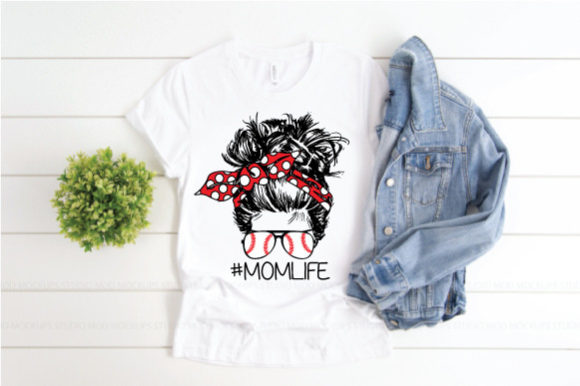
The visual personality of Messy Hair Bun Mom Life Baseball Mothers is casual yet polished enough for commercial use. The layout feels balanced, suggesting a design that sits comfortably on a chest pocket of a hoodie or centered on a tote bag without overwhelming the wearer. For an embroidery designer, the appeal lies in its versatility. It fits perfectly into the current trend of "relatable humor" apparel, which sells incredibly well on platforms like Etsy. However, before you hit the start button on your machine, there are practical considerations regarding stitch density, thread contrast, and fabric choice that determine whether this becomes a cherished gift or a frustrating project.
Real-World Application: From File to Finished Product
Let's walk through a scenario where I decided to use Messy Hair Bun Mom Life Baseball Mothers for a boutique client order. The request was simple: create a set of matching aprons for a local mom-and-pop bakery that wanted to hand out as holiday gifts to their regulars. The goal was something that felt personal but didn't require hours of intricate stitching that would drive up production costs.
I selected a sturdy cotton canvas for the aprons. The design's clean lines worked beautifully here. Because the theme is humorous and lighthearted, I opted for a high-contrast thread combination—navy blue text against a white background. The result was crisp and legible from a distance. The "Messy Hair Bun" graphic element, when rendered correctly, adds just enough texture to break up the solid blocks of text without looking cluttered. In this context, the design elevated a standard promotional item into a personalized gift that customers actually kept and used.
This same logic applies to custom sweatshirts and baby onesies. Imagine a small batch of hoodies embroidered with Messy Hair Bun Mom Life Baseball Mothers for a new mother's shower. The softness of the fleece provides a forgiving surface for the stitches, allowing the design to stand out without pilling or distorting. For a baby item, the design serves as a cute, understated statement that parents love to share on social media. The key is understanding that this design is not just a graphic; it is a conversation starter. When done right, it increases the perceived value of the handmade product, making buyers feel they are purchasing something thoughtful rather than mass-produced.
Where to Exercise Caution
While Messy Hair Bun Mom Life Baseball Mothers is a robust design, no single file works universally. There are specific scenarios where this design might struggle if not adjusted properly. One major area to watch is small hoop sizes. If you attempt to stitch this on a tiny patch or a very small cap brim, the lettering might become too cramped, losing its impact and potentially causing thread breaks. Always verify the recommended hoop size before starting, especially if you are working with tight constraints.
Fabric texture is another critical factor. While this design shines on smooth surfaces like twill hats or canvas totes, it can get lost on heavily textured fabrics like chunky bouclé or rough burlap. The stitches may not lay flat, and the "messy" aspect of the design could accidentally look like a mistake rather than a stylistic choice. Similarly, stretchy fabrics like jersey knit require careful stabilizer selection. Without adequate backing, the tension of the satin stitch could cause the fabric to pucker around the letters, ruining the professional finish of the final product.
Dense stitch areas also warrant attention. If the original file includes significant fill stitches within the hair bun graphic, testing on scrap fabric is non-negotiable. On thin materials, dense stitching can create a stiff, board-like feel that is uncomfortable for wearables. Furthermore, if you plan to use this for dark fabric, ensure you have chosen the correct thread colors and potentially added a tear-away or cut-away stabilizer to prevent the design from sinking into the material. Dark backgrounds demand higher thread counts and better coverage to maintain visibility.
Design Notes for the Professional Embroiderer
Before committing to a full run of Messy Hair Bun Mom Life Baseball Mothers for your craft business, adopt a methodical approach. First, test the design on a scrap piece of your intended fabric. This step reveals how the thread interacts with the material and highlights any potential issues with stitch density or pull-in. Check the thread color contrast carefully; a design that looks vibrant on a screen might appear muddy if the thread sheen clashes with the fabric texture.
Review the stitch types included in the file. A mix of satin stitch for outlines and running stitch for details usually offers the best balance of durability and visual interest. If the file contains complex applique elements, ensure your machine settings align with the requirements. Inspect small details closely, particularly the smaller letters or decorative accents, to ensure they will hold up after multiple washes. Commercial embroidery projects require longevity, so the design must withstand the rigors of daily use.
Don't forget to test the design in black and white mockups. Sometimes, color distractions hide structural flaws in the digitization. By viewing the design monochromatically, you can better assess the flow and spacing of the stitches. Additionally, compare light and dark fabric backgrounds to see how the design adapts. This helps in deciding whether to offer the design in different colorways for your Etsy listings or boutique inventory.
Licensing is a crucial, often overlooked aspect of using digital embroidery files. Confirm whether the license allows for commercial use on finished products. Many designers sell Messy Hair Bun Mom Life Baseball Mothers as a digital asset with specific terms regarding how many items can be produced for sale. Violating these terms can lead to legal trouble for your small shop. Ensure you have cleared all necessary permissions before listing your handmade products online.
Final Thoughts on Visual Appeal and Value
In the competitive world of handmade goods, the quality of your embroidery speaks volumes about your brand. A well-executed Messy Hair Bun Mom Life Baseball Mothers design signals professionalism and attention to detail. It builds customer trust because the finished product looks intentional and high-quality. When a buyer receives a personalized gift with clear, crisp stitching, they are more likely to leave positive reviews and return for future purchases.
This design fits seamlessly into various categories, from holiday gifts to wedding favors. Its ability to convey emotion and humor makes it a valuable addition to any designer's toolkit. Whether you are creating a limited edition run for a craft fair or fulfilling a custom order for a friend, taking the time to prepare properly ensures that the final result matches the promise of the digital file. By treating every project with care—from stabilizer selection to thread choice—you transform a simple graphic into a lasting keepsake that honors the messy, beautiful life of a mom.